

 By
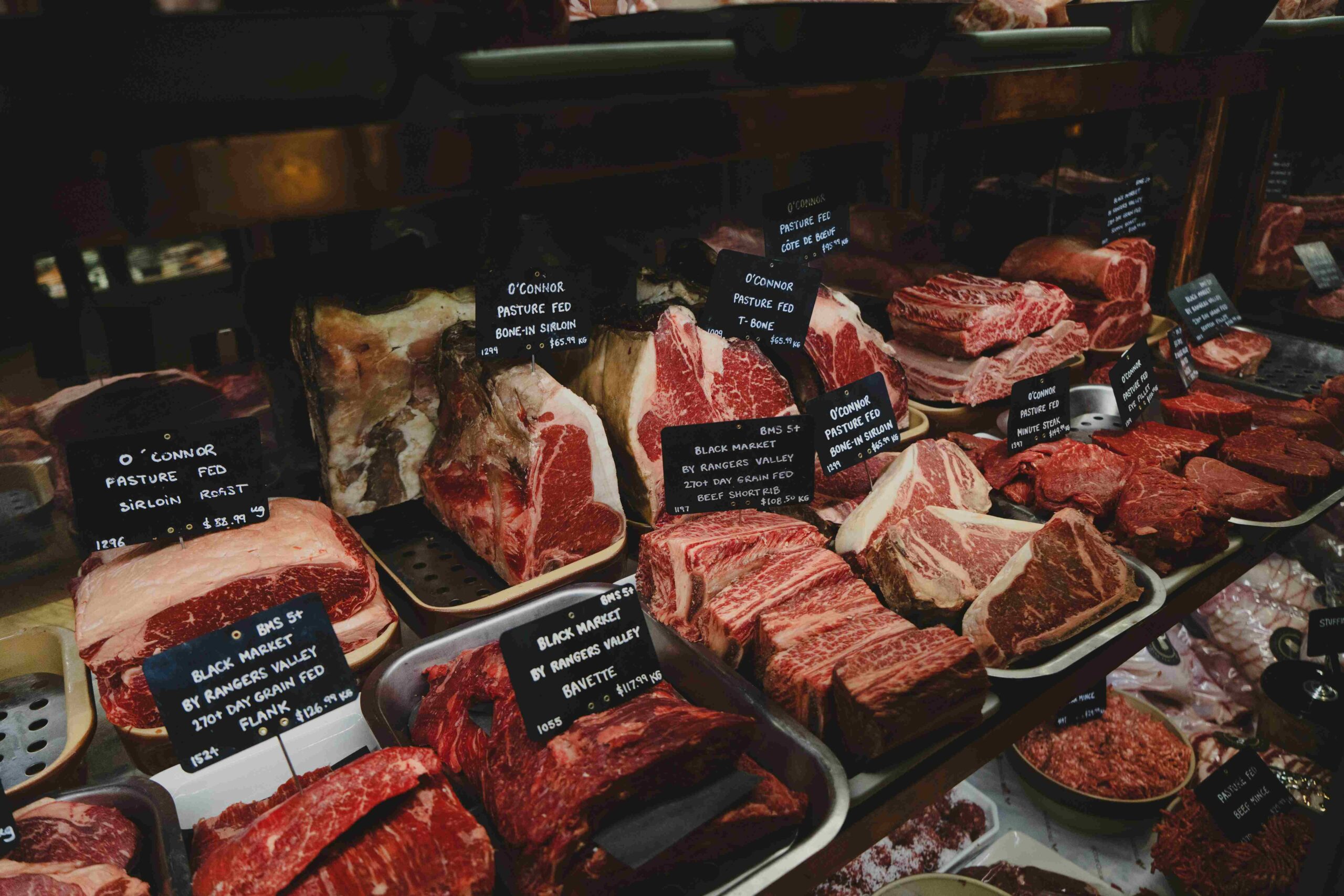
By Choosing the right cut of beef can make a big difference in the flavour, tenderness, and overall enjoyment of your meal. Whether you prefer a juicy grilled steak, a slow-cooked beef dish, or a tender cut prepared with herbs and spices, understanding different beef cuts helps you make the right choice. This guide to steak and other beef cuts explains popular options, their characteristics, and the best cooking methods for each.
From premium ribeye and tenderloin to flavourful sirloin and slow-cooking cuts such as brisket, each part of the animal offers a different combination of texture, fat content, and flavour. Knowing these differences can help you choose a cut that suits your taste and preferred cooking style.
Why Understanding Beef Cuts Matters
Beef is divided into different cuts based on the part of the animal from which the meat comes. Some cuts contain more intramuscular fat, also known as marbling, which can contribute to juiciness and flavour. Other cuts are naturally leaner or contain more connective tissue, making them suitable for different cooking techniques.
Selecting the right cut helps you achieve better results in the kitchen. For example, tender steaks generally work well with quick, high-heat cooking, while tougher cuts often benefit from slow cooking that gradually softens the connective tissue.
Popular Steak Cuts You Should Know
1. Ribeye Steak
Ribeye is a popular steak cut known for its rich flavour and marbling. The fat distributed throughout the meat helps keep it juicy during cooking and contributes to its distinctive taste.
Ribeye is particularly suitable for grilling, pan-searing, and cooking over high heat. It is a good option for people who enjoy a rich, flavourful steak.
Best cooking methods: Grilling, pan-searing, and broiling.
2. Tenderloin Steak
Tenderloin is one of the most tender beef cuts because it comes from a muscle that performs relatively little work. Filet mignon is a well-known steak cut taken from the tenderloin.
This cut has a fine texture and a mild flavour compared with more heavily marbled steaks. It is suitable for people who prioritise tenderness.
Best cooking methods: Pan-searing, grilling, and roasting.
3. Sirloin Steak
Sirloin offers a balance of tenderness, flavour, and versatility. It is often more affordable than premium tenderloin cuts while still delivering a satisfying steak experience.
Sirloin works well for everyday meals, grilled steak plates, and sliced beef dishes. Avoid overcooking leaner sirloin cuts, as they can become dry.
Best cooking methods: Grilling, pan-searing, and broiling.
4. Striploin or New York Strip
Striploin, often sold as New York strip steak, is known for its firm texture, beefy flavour, and moderate marbling. It offers a satisfying balance between tenderness and structure.
This cut is suitable for people who enjoy a steak with a noticeable texture and rich beef flavour.
Best cooking methods: Grilling and pan-searing.
5. T-Bone Steak
A T-bone steak includes two different portions of beef separated by a T-shaped bone: tenderloin on one side and strip steak on the other.
This cut provides two textures and flavours in a single serving. Because the two sections cook somewhat differently, careful heat management helps achieve even results.
Best cooking methods: Grilling and broiling.
6. Porterhouse Steak
Porterhouse steak is similar to T-bone but generally contains a larger portion of tenderloin. It is often served as a substantial steak that can be shared.
Its combination of strip steak and tenderloin makes it appealing to people who want variety in one cut.
Best cooking methods: Grilling and pan-searing, depending on thickness.
Other Beef Cuts and Their Uses
Not every delicious beef dish requires a premium steak. Other cuts offer excellent flavour and work well with specific cooking methods.
1. Brisket
Brisket comes from the lower chest area of the animal and contains connective tissue that benefits from long, slow cooking.
When cooked patiently, brisket can become tender and flavourful. It is popular for barbecue, smoked beef, and slow-cooked meals.
Best cooking methods: Smoking, braising, and slow roasting.
2. Beef Chuck
Chuck comes from the shoulder area and typically contains more connective tissue than premium steak cuts. It has a rich beef flavour and becomes tender when cooked slowly.
Chuck is commonly used for beef stews, pot roasts, and pulled beef dishes.
Best cooking methods: Braising, stewing, and slow cooking.
3. Beef Short Ribs
Short ribs are valued for their rich flavour and combination of meat, fat, and connective tissue. They can become exceptionally tender when cooked slowly.
They are popular in barbecue dishes and braised beef recipes.
Best cooking methods: Slow braising, oven roasting, and smoking.
4. Beef Flank
Flank steak is a relatively lean cut taken from the abdominal muscles. It has a pronounced beef flavour and works well when sliced thinly across the grain.
Because it can become chewy if overcooked or sliced incorrectly, proper preparation is important.
Best cooking methods: Grilling, marinating, and quick pan-searing.
5. Beef Skirt
Skirt steak is known for its strong beef flavour and long muscle fibres. It is often used in fajitas, grilled beef dishes, and other recipes that benefit from thinly sliced meat.
Marinating can add flavour, while cutting across the grain helps improve tenderness.
Best cooking methods: High-heat grilling and quick pan-searing.
6. Beef Shank
Beef shank comes from the leg and contains substantial connective tissue. It is particularly suitable for dishes that require extended cooking.
Slow cooking allows the connective tissue to soften and contributes body to soups and sauces.
Best cooking methods: Braising, stewing, and slow cooking.
How to Choose the Right Beef Cut
Selecting a suitable beef cut depends on your recipe, budget, preferred texture, and cooking equipment.
For tenderness: Consider tenderloin or a well-prepared strip steak.
For rich flavour: Ribeye and short ribs are popular choices.
For grilling: Ribeye, sirloin, striploin, flank, and skirt can all work well when prepared appropriately.
For slow cooking: Brisket, chuck, short ribs, and shank are useful options.
For leaner meals: Choose a suitable lean cut, trim visible fat if desired, and use cooking methods that help prevent dryness.
For budget-friendly meals: Chuck, shank, and other braising cuts can deliver excellent flavour when cooked slowly.
Essential Tips for Cooking Steak and Beef
Even a high-quality cut needs the right preparation to achieve good results.
- Bring steak closer to room temperature briefly before cooking, while keeping food-safety limits in mind.
- Pat the surface dry before searing to encourage browning.
- Season according to your recipe and personal preference.
- Use a properly heated pan or grill for a good sear.
- Avoid overcrowding the cooking surface.
- Use a meat thermometer to check doneness and safe cooking temperatures.
- Allow steak to rest briefly before slicing.
- Slice tougher cuts such as flank and skirt against the grain.
- Use low, slow cooking methods for cuts with substantial connective tissue.
These techniques can help you achieve better texture, flavour, and consistency.
How to Store Beef Properly
Proper storage helps maintain quality and reduces the risk of foodborne illness.
Keep raw beef refrigerated at or below 4°C (40°F) and store it in sealed packaging to prevent its juices from contaminating other foods. If you do not plan to use it within the recommended refrigerated storage period, freeze it promptly.
Thaw frozen beef safely in the refrigerator rather than leaving it at room temperature. Always follow appropriate food-safety guidance when handling, preparing, and cooking meat.
Conclusion
Understanding different beef cuts can help you choose the right meat for every meal. Ribeye, tenderloin, sirloin, striploin, and T-bone are popular steak options, while brisket, chuck, short ribs, flank, skirt, and shank offer versatility for other recipes.
The key is matching each cut with the right cooking method. Tender steaks generally suit quick cooking over high heat, while cuts with more connective tissue often benefit from slow cooking.
With the right selection and preparation, you can enjoy better flavour, improved texture, and satisfying beef dishes for everyday meals and special occasions.